
China Denies Lipulekh Clearance: 28 Indian Traders Forced to Return
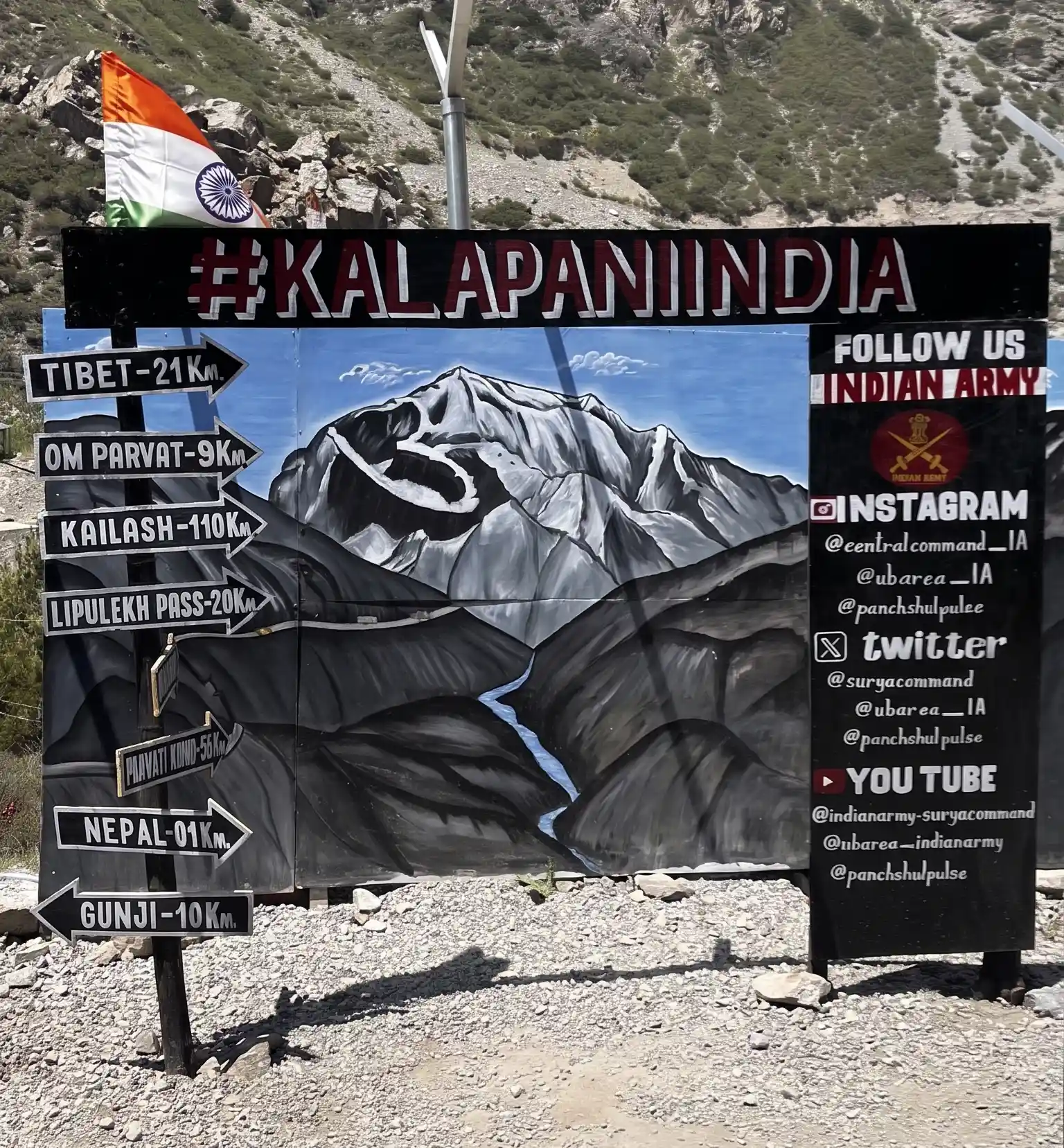
When 28 Indian merchants walked away from nearly 3,000 quintals of jaggery and sugar candy at the Gunji border post this July, it signaled more than a logistical hiccup. Trade across the Lipulekh Pass—a 17,000-foot trijunction between India, Nepal, and Tibet—was scheduled to resume after a six-year freeze. Instead, the merchants returned to Dharchula on July 11 without crossing the border.
The immediate cause of the stall was administrative. The underlying reality is far more complex. While diplomatic agreements set the stage for economic recovery, tactical delays and incomplete infrastructure on the ground dictate what actually happens.
The Administrative Friction at the Gunji Checkpoint
The resumption of border trade requires synchronized infrastructure on both sides. The Indian contingent of traders arrived at Gunji fully permitted by the district administration, expecting to cross into the Tibetan town of Taklakot (Purang).
The final clearance from the Chinese side never arrived. Beijing cited incomplete construction at the Taklakot market and warehouse facilities as the primary reason for withholding access. This created a severe asymmetry. While Nepalese merchants were reportedly granted access to the Purang market, Indian traders were left in limbo.
The cost of this deadlock is immediate. The 3,000 quintals of goods abandoned near the border are now highly vulnerable to monsoon rains. For the local traders, the financial burden of storing these goods—or losing them entirely—wipes out the profit margins they anticipated after six years of zero revenue from this route.
A Historical Pattern of Vulnerable Commerce
The frustration at Gunji is part of a much older cycle. Trade through the Lipulekh corridor does not operate on a continuous timeline; it exists in fragmented chapters dictated by geopolitical weather.
The route was first severed following the 1962 India-China war. It took thirty years and a shifting global economy for diplomatic agreements to reopen the pass in 1992, allowing seasonal commerce to flourish. By 2019, the trade volume had reached nearly ₹3 crore annually. Then the COVID-19 pandemic forced another total shutdown, which was subsequently prolonged by the military standoff in eastern Ladakh.
The attempt to restart commerce in 2026 reveals a persistent vulnerability. Economic ties at the border remain entirely subordinate to security postures and infrastructure readiness. When the physical trading posts are not aligned, historical treaties offer little protection for the merchants on the ground.
Strategic Trijunctions and Sacred Geography
The Lipulekh Pass cannot be viewed purely through the lens of import and export. The corridor is a strategic chokepoint that overlaps directly with some of the Himalayas' most significant cultural routes.
This 17,000-foot pass sits at a deeply sensitive trijunction where the borders of India, Nepal, and China meet. Infrastructure developments here serve dual purposes. The motorable roads constructed to facilitate military logistics and ease the journey for pilgrims also serve pilgrims undertaking the Adi Kailash Parikrama and the Om Parvat Yatra.
These sacred routes depend on the same stability and administrative facilitation as the border trade. When clearance is withheld and border tensions flare, the shadow falls on both commerce and culture. The local economy relies on the seasonal influx of both merchants heading to Taklakot and pilgrims heading toward Adi Kailash. A disruption in one often signals friction for the other.
The Economic Cost of a Closed Door
The July 2026 suspension at Lipulekh is a sharp reminder that border trade is a barometer for bilateral trust. When the pass opens, it signals a mutual interest in localized stability. When it remains shut over infrastructural technicalities, it underscores a lingering hesitation.
For the broader geopolitical landscape, the delayed clearance is a minor friction point. But for the network of registered border traders in the Pithoragarh district, it represents a direct threat to their livelihood. Until both sides align their administrative clearances with their physical infrastructure, the Lipulekh route will remain a door that is unlocked but firmly shut.
Frequently Asked Questions
Why was the Lipulekh trade route closed in 2019?
The trade was initially halted due to the outbreak of the COVID-19 pandemic. The suspension was subsequently prolonged by the broader deterioration in India-China relations following border clashes in 2020.
Why did China deny clearance to Indian traders in July 2026?
Chinese authorities withheld final clearance because the designated market and warehouse facilities for Indian merchants at Taklakot (Purang) in Tibet were still under construction. This lack of infrastructure prevented the traders from crossing.
What goods are primarily traded across the Lipulekh Pass?
Historically, Indian traders export items like jaggery, sugar candy, spices, and local handicrafts. Imports from Tibet typically include raw wool, borax, and readymade garments, supporting the local border economy.
How does the Lipulekh closure affect pilgrimage routes?
Lipulekh is a critical corridor for the Adi Kailash, Om Parvat, and Kailash Mansarovar Yatras. When border tensions or administrative hurdles halt trade, the resulting instability often disrupts the logistical and security arrangements required for these sacred pilgrimages.